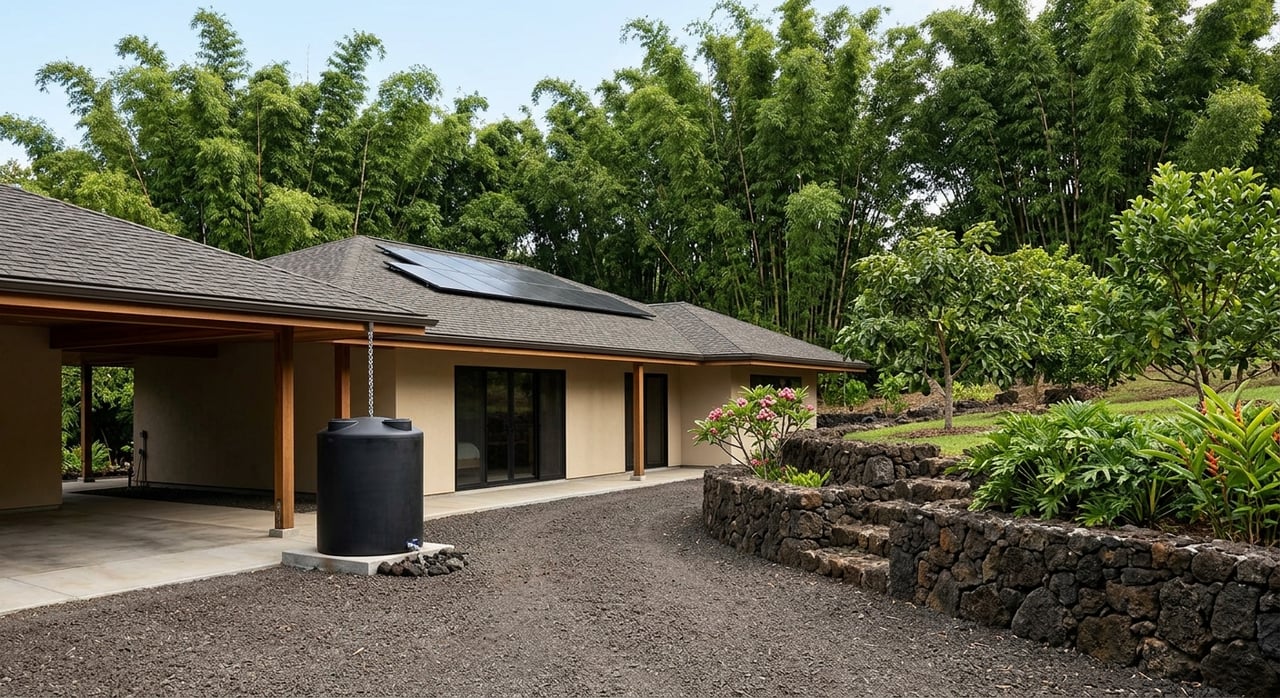
If you are dreaming about a home with land in Kealakekua, the acreage itself is only part of the story. One parcel may offer space for a house, orchard, or small farm, while another with a similar size may come with very different rules, access, or utility limits. If you want to buy with confidence, it helps to understand how land use, zoning, terrain, and infrastructure work here. Let’s dive in.
Why Kealakekua Land Is So Parcel-Specific
Kealakekua sits within South Kona, and the area falls under Hawaiʻi County’s broader Kona planning framework. That means your property search is shaped by multiple layers, including the state land use district, county zoning, and the county’s General Plan 2045.
In practical terms, you should not assume that all acreage works the same way. Two neighboring properties can have very different permitted uses, building standards, and long-term potential depending on how they are classified.
Start With State District and County Zoning
Hawaiʻi uses a layered land-use system. The state divides land into urban, rural, agricultural, and conservation districts, while Hawaiʻi County zoning adds the local rules for permitted uses, setbacks, height limits, and other development standards.
For buyers, this is one of the first places to focus. If a parcel is not already in the appropriate state district, a district boundary amendment may be needed for certain kinds of residential or resort development.
Common Zoning Labels You May See
In Kealakekua and the surrounding South Kona area, acreage buyers often come across several county zoning categories.
- RA, or residential and agricultural: Intended for low-density rural areas where homes and small farms are mixed. RA lots can be as small as one-half acre, and one single-family dwelling is allowed per building site.
- FA, or family agricultural: Designed for small-scale agricultural operations and residential use, such as farm estates, small-acreage farms, and subsistence lots. FA-1a means a one-acre minimum building site, and allowed uses include one single-family dwelling, farm dwellings, crop production, aquaculture, livestock grazing, roadside stands, and related accessory uses.
- A, or agricultural: Meant for agricultural and very low-density agriculturally based residential use. A-10a, for example, indicates a ten-acre minimum building site. One single-family dwelling or one farm dwelling may be allowed, while additional farm dwellings require a farm dwelling agreement, a farm plan, and county approval.
- IA, or intensive agricultural: More production-oriented and intended to preserve important agricultural lands. It has a five-acre minimum building site and includes provisions that recognize steep terrain and rough ground.
The county also notes that its quick-reference permitted-uses table is only a starting point. You should review the actual code carefully instead of relying on a label alone.
Understand the Difference Between Land and Buildable Land
One of the biggest buyer mistakes is assuming every agricultural parcel is a standard homesite. In Hawaiʻi County, that is not always the case.
A farm subdivision is a good example. The county says these are leasehold parcels in agricultural districts with a minimum leasable area of five acres, and residential occupancy or habitation is prohibited.
That distinction matters. A parcel may look ideal on paper, but if it is part of a farm subdivision, it may not function as a place where you can build or live in a traditional residential sense.
Check Road Access Early
With acreage, access is more than a simple map question. You want to know whether the access is legal, whether the road meets the right standard, and who is responsible for ongoing maintenance.
This is especially important in rural parts of South Kona. For farm subdivisions, Hawaiʻi County requires adequate access from a government road, and road maintenance is handled through a roadway maintenance agreement.
That means a usable road is not the same thing as a publicly maintained road. Before you move forward, make sure you understand exactly how the parcel is accessed and what your long-term obligations may be.
Verify Water, Sewer, and Wastewater Plans
Utilities can vary sharply from one Kealakekua property to another. Some parcels may be closer to county systems, while others may depend on different infrastructure assumptions.
Hawaiʻi County’s subdivision rules require utilities to be located within streets and generally require water mains and fire hydrants for standard subdivisions. Sewer lines are also required when a subdivision is within 300 lineal feet of an existing sewer.
For farm subdivisions, some infrastructure standards are more relaxed. The code says a water system is not required, even though adequate access and road maintenance requirements still apply.
The county wastewater division adds another important point. If a property is accessible to sewer, the owner must connect within 180 days after official notice, and accessibility means a lateral is provided to the lot. If the property sits below the sewer main or has other construction issues, the owner may need to install and maintain a pumping station.
Because these details can affect both cost and feasibility, utility due diligence should happen early, not after you are already committed.
Consider Shoreline and Coastal Constraints
If you are drawn to parcels near the coast, you should look closely at shoreline rules and use restrictions. Some coastal properties may fall within the Special Management Area, often called the SMA.
The county says the SMA is close to the shoreline, and shoreline setbacks are typically 40 feet for lots that abut the shoreline. Depending on the work you plan to do, SMA use permits or shoreline setback variances may be required.
This can directly shape how you use a property. A view parcel near the ocean may still come with meaningful limits on where improvements can go.
Terrain Can Matter More Than Acreage
A five-acre parcel does not always feel like five usable acres. In Kealakekua, slope, elevation, drainage, and exposure can have a major impact on how you actually enjoy the land.
South Kona sits on the leeward side of Hawaiʻi Island, where conditions are generally drier than windward areas because of trade winds and orographic effects. That can create noticeable differences from one parcel to another, especially as elevation changes.
Some properties may feel warmer and drier, while others may be cooler, windier, or better suited to certain crops. That is one reason lifestyle and agricultural buyers often need a more detailed, ground-level review before deciding which parcel truly fits their goals.
Think About the Actual Building Envelope
When you tour land, it helps to picture more than a future home. Ask where the house pad, driveway, orchard, pasture, drainage routes, and any septic area would realistically go.
The county’s IA rules specifically acknowledge that steep terrain, gullies, and rough ground can affect land use. The subdivision code also requires stormwater to be handled with infiltration methods such as drywells or infiltration basins, and it says subdivisions must not alter the general drainage pattern above or below the site.
In other words, usability is not just about size. It is about how the land lays out on the ground.
Look Beyond Ocean Proximity
Buyers often imagine that land near Kealakekua Bay automatically translates into easy shoreline enjoyment. The reality can be more nuanced.
The county’s South Kona shoreline guide describes parts of the Kealakekua Bay area as having rocky or boulder shoreline conditions, hazardous footing, currents, and waves, along with limited parking and only certain nearby recreation uses. So if coastal lifestyle is part of your vision, it is worth evaluating actual safety and access, not just distance to the water.
Review Tax Classification and Agricultural Use
Property taxes on acreage are not based only on lot size. In Hawaiʻi County, classification and actual use can make a meaningful difference.
The county’s real property tax code recognizes concepts such as commercial agricultural activities, dedicated lands, farm dwellings, and agricultural use assessments. It defines commercial agricultural activities as recurring farm operations that generate at least $2,000 in annual gross income per farm operation or otherwise follow recognized agricultural practices.
The county also sets a separate Agricultural or Native Forests tax class each fiscal year. Because classification and eligibility can change with use, buyers should confirm the current assessment status, any dedication, and whether there may be rollback or conversion exposure.
Smart Questions to Ask Before You Buy
If you are considering a home with land in Kealakekua, these are some of the most important questions to ask early:
- What is the parcel’s state land use district?
- What is the county zoning district?
- Does the parcel allow a house, a farm dwelling, or only agricultural leasehold use?
- Is there legal road access?
- Who maintains the road?
- Is the property served by county water and sewer?
- If not, what alternative systems are permitted?
- Is the lot in the SMA, within a shoreline setback area, or in a steep-slope or flood-prone area?
- Does the current tax classification match your intended use?
These questions can help you avoid costly surprises and narrow your search toward land that truly supports your plans.
A Clearer Way To Buy Kealakekua Acreage
Buying a home with land in Kealakekua can be incredibly rewarding, whether you want privacy, room to grow crops, or a legacy property with a true South Kona feel. The key is to treat every parcel as unique and verify the details that shape real-world use.
With acreage, confidence comes from careful review of zoning, access, utilities, terrain, tax status, and any permit constraints before you close. If you want experienced guidance on Kealakekua land, agricultural properties, or lifestyle-driven purchases across the Kona market, connect with Brian Axelrod.
FAQs
What should you check first when buying land in Kealakekua?
- You should start with the parcel’s state land use district, county zoning, and whether the property actually allows a house or residential use.
What does agricultural zoning mean for a Kealakekua homebuyer?
- Agricultural zoning can allow a home in some cases, but the rules vary by district, minimum lot size, and whether the parcel is a standard lot or part of a farm subdivision.
Can you build a house on every farm parcel in Kealakekua?
- No. Hawaiʻi County says farm subdivisions are leasehold agricultural parcels where residential occupancy or habitation is prohibited.
Why is road access important for Kealakekua acreage?
- You need to confirm that access is legal, physically usable, and backed by a clear maintenance structure, especially on rural or agricultural parcels.
Do Kealakekua land buyers need to verify sewer and water service?
- Yes. One parcel may have access to county systems while another may not, and connection requirements can affect both cost and feasibility.
Are coastal parcels in Kealakekua subject to extra rules?
- Yes. Some coastal properties may fall within the Special Management Area or shoreline setback zones, which can affect permits and where improvements are allowed.
How does terrain affect a home with land in Kealakekua?
- Slope, drainage, elevation, and exposure can all affect where you can place a home, driveway, orchard, pasture, or wastewater systems.
Can tax treatment differ for a home on acreage in Kealakekua?
- Yes. Hawaiʻi County tax treatment can vary based on classification, agricultural use, dedication status, and whether the use is recognized as ongoing agricultural activity.