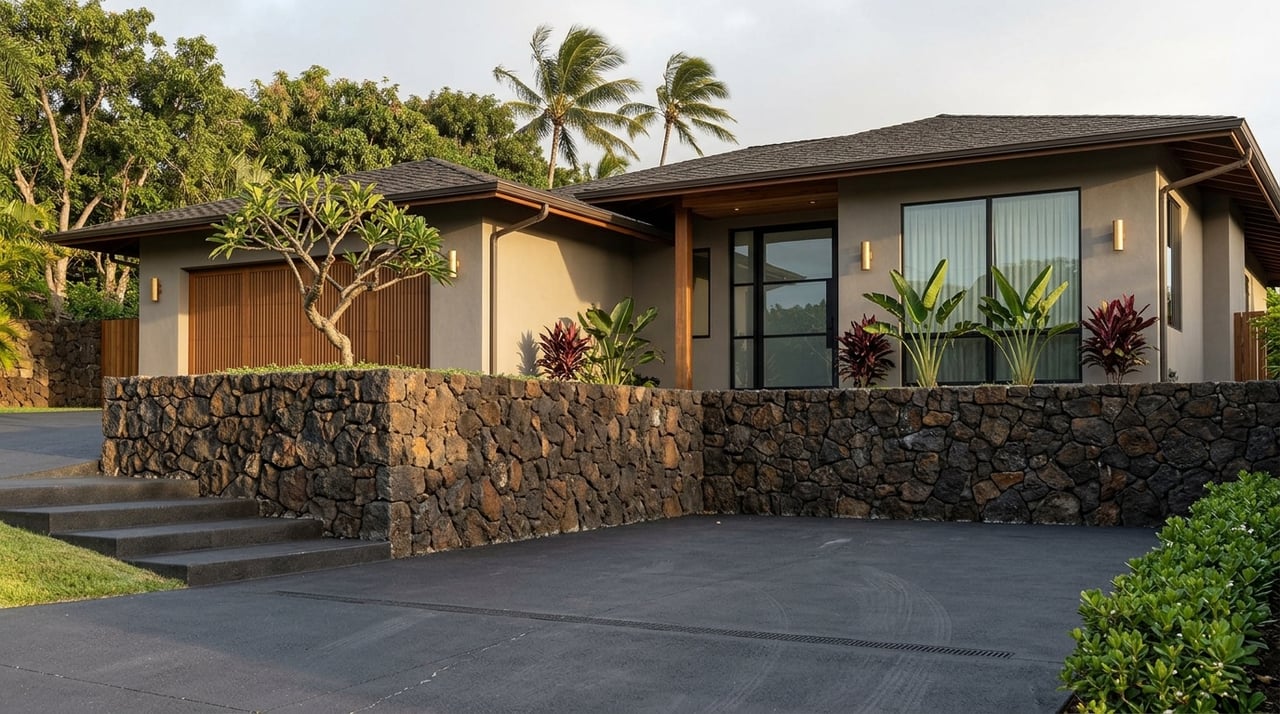
What feels more like your version of Kona living: waking up right on the shoreline, or looking out over the coast from a higher, breezier perch? If you are choosing between oceanfront and hillside homes in Kailua Kona, the decision is about much more than scenery. You are balancing lifestyle, climate, access, risk, and price in one of the Big Island’s most distinct micro-markets. Let’s dive in.
Why the setting matters in Kailua Kona
Kailua Kona sits on the leeward side of Hawaiʻi Island, which gives it a warmer, drier feel than many other parts of the island. NOAA monthly normals for Kailua Kona Ke-Ahole Airport show an annual mean temperature of 78.2°F and annual precipitation of 7.1 inches. That dry, sunny baseline shapes how both oceanfront and hillside homes live day to day.
Even within Kona, though, location changes the experience. Oceanfront homes sit directly on or very near the shoreline, while hillside homes are farther upslope, or mauka, where elevation can bring broader views and a more buffered setting. For many buyers, that difference ends up being the heart of the decision.
Oceanfront homes: direct connection to the coast
If your goal is to feel fully immersed in the water, oceanfront living has obvious appeal. These homes offer immediate proximity to the shoreline, open sunset horizons, and the sound and movement of the ocean as part of daily life. In Kailua Kona, that setting often aligns with the shoreline corridor near Aliʻi Drive, Kailua Bay, Old Kona Airport, Kahaluʻu, and Keauhou.
That coastal connection can also support a resort-like lifestyle. County shoreline materials show access to beach parks, snorkeling areas, surf spots, and shoreline trails throughout North Kona. For buyers who value being close to the water every day, oceanfront can deliver an experience that hillside homes simply cannot replicate.
What oceanfront buyers should weigh
The biggest advantage of oceanfront property is also what requires the most care. Hawaiʻi state coastal-hazard resources note that risks from shoreline erosion and coastal flooding are increasing as sea level rises. In practical terms, an oceanfront purchase is not just about views. It also means paying close attention to shoreline dynamics, maintenance exposure, and long-term planning.
County planning rules also matter. Hawaiʻi County’s zoning system governs permitted uses, setbacks, height limits, and other land-use constraints, and coastal parcels may involve shoreline setback, flood-zone, and Special Management Area considerations. That makes due diligence especially important when you are evaluating a direct-coastal home.
Hillside homes: views, breezes, and flexibility
Hillside homes in Kailua Kona offer a different version of luxury. Instead of direct frontage, you often get elevated sightlines that can include ocean, coastline, sunset, and sometimes mountain views. Many upslope properties are marketed around their perch above the bay or resort corridor, along with privacy and breezes.
Climate can feel different as you move uphill. State sources explain that rainfall tends to increase when moist air rises over island slopes, while leeward coastal areas remain much drier. In practice, that means hillside homes can feel a bit cooler and greener than homes right on the shoreline, while still staying sunny and relatively dry compared with windward parts of the island.
Why hillside homes appeal to many buyers
For some buyers, the hillside option creates a more balanced everyday lifestyle. You may not be steps from the water, but you often gain a quieter residential feel, more visual depth, and more separation from the immediate wear of the coast. That trade-off can be especially attractive if you want space, scenery, and a strong indoor-outdoor living experience without direct shoreline exposure.
County planning materials also help explain the appeal of upslope areas. The Kona Open Space Network was created to connect public open spaces, parks, neighborhoods, historic sites, green drainage and flood-control areas, and pedestrian and bike trails. That framework supports why many hillside locations are associated with privacy, neighborhood connectivity, and access to open-space amenities.
Beach access is not always what buyers expect
One common assumption is that oceanfront automatically means easy daily beach use. In Kailua Kona, that is not always the case. Hawaiʻi recognizes shoreline access as a public right, but actual access varies widely by site, surf, footing, and topography.
The County’s North Kona shoreline guide lists popular access areas such as Old Kona Airport Park, Pahoehoe Beach Park, Laʻaloa or Magic Sands, Kahaluʻu Beach Park, and Keauhou-area shoreline access points. At the same time, the guide warns that many spots have rocky footing, strong currents, and dangerous shorebreaks. The state also notes that there is no single comprehensive source for all shoreline access points, and winter can bring dangerous surf to the island’s north and west shores.
For you as a buyer, that means it is smart to separate two ideas: living near the ocean and having simple, swimmable, everyday access. Some oceanfront homes deliver dramatic proximity more than easy casual beach use, while some hillside homes still keep you close to shoreline recreation by a short drive.
Comparing lifestyle trade-offs
Both property types can fit a luxury Kona lifestyle, but they do it in different ways. The better fit usually depends on how you want to spend your time and what kind of setting feels most natural to you.
| Feature | Oceanfront Homes | Hillside Homes |
|---|---|---|
| Water connection | Immediate shoreline setting | Elevated coastal outlook |
| Views | Direct ocean and sunset horizon | Broader ocean, coastline, and sometimes mountain views |
| Climate feel | Hotter, drier coastal setting | Often breezier, slightly cooler, somewhat greener upslope |
| Access to recreation | Closest to shoreline parks and water activities | Usually a short drive to shore, often with open-space or trail appeal |
| Risk profile | More exposure to erosion, coastal flooding, and shoreline regulations | Less immediate coastal exposure, but still requires zoning and site due diligence |
| Price pattern | Often commands a premium quickly | Often offers more flexibility across price points |
Price positioning in today’s market
Kailua Kona is already a high-value market before you narrow your search by location type. Current market data places the median listing price around $975,000, with about 404 homes for sale and a median listing period of 83 days. Against that backdrop, both oceanfront and hillside homes sit within a wide pricing range.
Public listing examples suggest that hillside and slope homes in areas such as Palani Junction, Sea View, and Bayview Estates can range from the high hundreds of thousands into the low millions. Premium oceanfront and direct-coastal homes can move into the multimillion-dollar range very quickly, with rare trophy properties reaching far beyond that. In other words, the real pricing drivers are often the combination of direct frontage, view quality, lot size, setting, and amenity package.
How to decide which is right for you
If you are choosing between the two, start with your daily priorities rather than the headline feature. A home that looks perfect on paper may not feel right if it does not match how you want to live in Kona. The best purchase is usually the one that aligns setting, maintenance expectations, and budget.
Oceanfront may be the better choice if you value the strongest possible connection to the water and want that resort-style coastal feeling every day. Hillside may be the better fit if you care more about broad views, a more buffered residential environment, and often more flexibility on price and property type. Neither option is universally better. The right one depends on your lifestyle and your comfort with the trade-offs.
Due diligence should match the location
In Kailua Kona, smart buying means looking beyond the view. For oceanfront homes, that includes understanding shoreline setbacks, coastal hazards, flood-zone questions, and the practical impact of ongoing exposure to salt, wind, and shoreline conditions. For hillside homes, it means paying attention to zoning, access, drainage, and how the siting of the home shapes privacy and view corridors.
This is where local market knowledge becomes especially valuable. In a place as layered as Kona, small differences in elevation, parcel position, and surrounding land-use context can change the ownership experience in meaningful ways. A clear understanding of those details can help you buy with more confidence.
Whether you are searching for a front-row coastal estate or a hillside retreat with expansive views, the goal is the same: find the property that fits your lifestyle, risk tolerance, and long-term plans in Kailua Kona. If you want informed guidance on Kona’s micro-markets and a tailored approach to your search, connect with Brian Axelrod.
FAQs
What is the main difference between oceanfront and hillside homes in Kailua Kona?
- Oceanfront homes offer direct proximity to the shoreline, while hillside homes trade that immediate waterfront setting for elevation, broader views, more privacy, and often a more buffered feel.
Are hillside homes in Kailua Kona cooler than oceanfront homes?
- They can feel somewhat cooler and greener as you move upslope because elevation influences local climate, even though the Kona side remains sunny and relatively dry overall.
Do oceanfront homes in Kailua Kona always have easy beach access?
- Not always. Shoreline access is a public right in Hawaiʻi, but actual access depends on each site’s topography, footing, surf conditions, and seasonal ocean hazards.
Are oceanfront homes in Kailua Kona more expensive than hillside homes?
- Often yes, especially when a property has direct frontage, strong views, and premium amenities, but pricing in both categories can vary widely based on lot size, location, and overall property package.
What risks should buyers consider with Kailua Kona oceanfront homes?
- Buyers should look closely at shoreline erosion, coastal flooding, sea-level-rise exposure, zoning, shoreline setbacks, and any flood-zone or Special Management Area considerations.
What should buyers review for Kailua Kona hillside homes?
- Buyers should still complete due diligence on zoning, access, drainage, setbacks, and how the home’s siting affects views, privacy, and long-term usability.