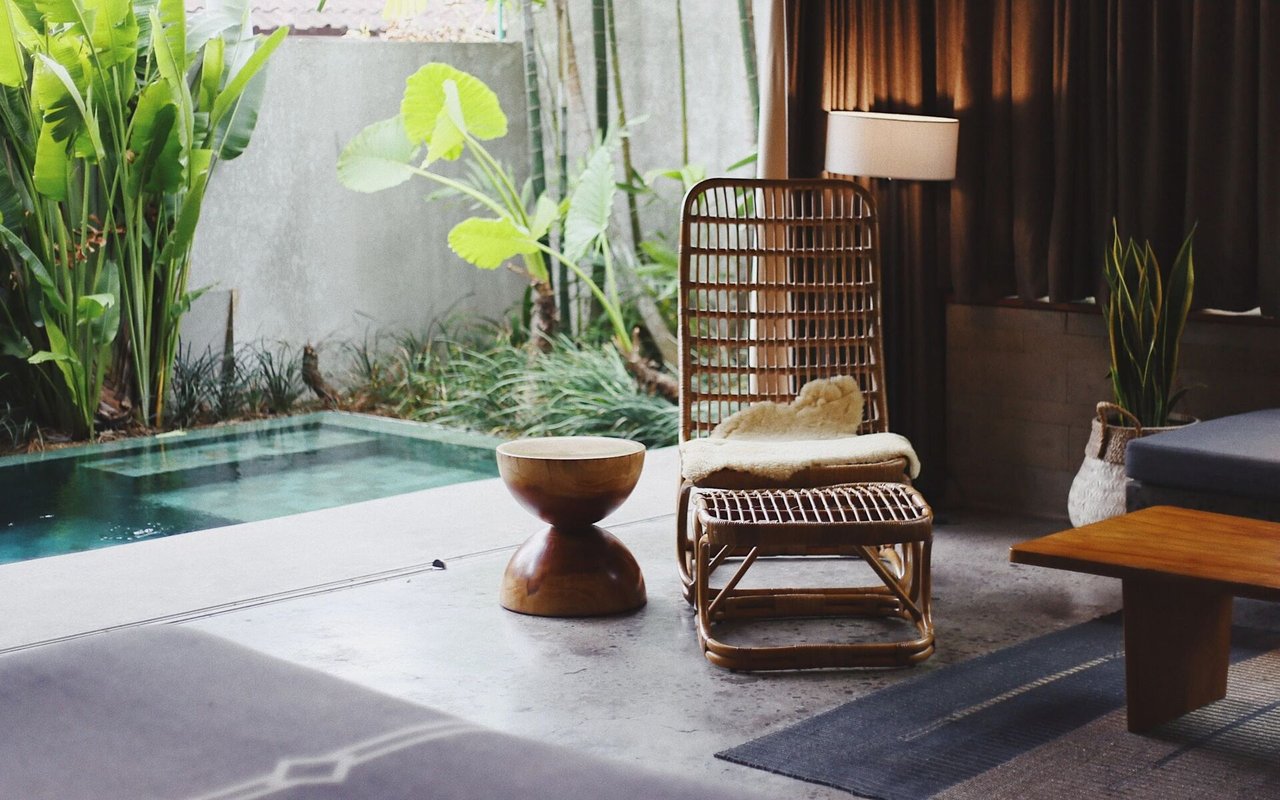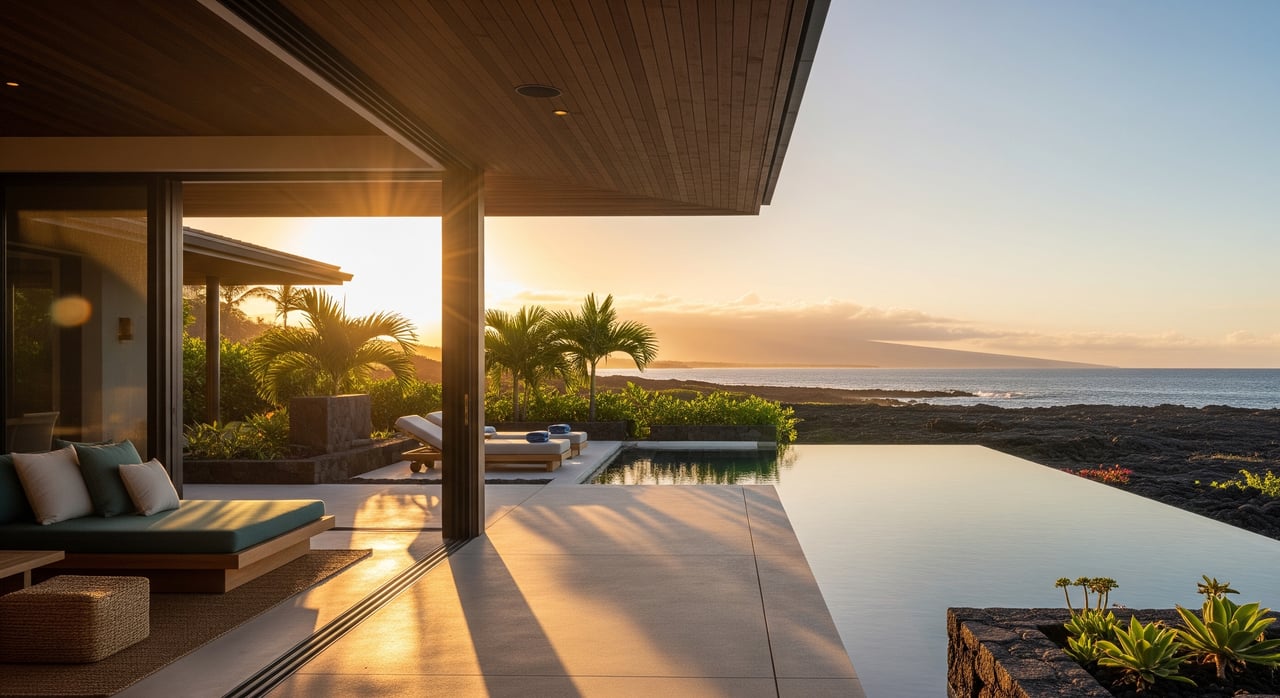
Picture mornings that smell like fresh-roasted Kona coffee and evenings spent watching the sun drop into Kealakekua Bay. If you want space, ocean views, and a slower rhythm, Captain Cook offers a rural lifestyle with real-world conveniences within a drive. In this guide, you’ll learn what daily life looks like here, from utilities and schools to recreation, climate, and key property checks. Let’s dive in.
Setting and lifestyle
Captain Cook sits in South Kona, where coffee farms terrace the hills and neighborhoods thread along Mamalahoa Highway. You’ll find a mix of agricultural lots, small subdivisions, and single-family homes, all set against lava rock, tropical greenery, and sweeping ocean vistas. Life feels local and outdoorsy, with community time at farmers’ markets, school events, and volunteer groups. Kealakekua Bay and Puʻuhonua o Hōnaunau National Historical Park anchor the area culturally and recreationally.
Housing and land use
Many properties are active or former coffee farm parcels, often with outbuildings and farm infrastructure. Large areas are zoned agricultural or rural residential, which influences what you can build and how you can use the land. Subdivision options, accessory structures, and farm uses depend on county rules, so verify zoning and permitted uses on a parcel-by-parcel basis. If you plan to run a farm or agritourism activity, confirm county permits and any state licensing.
Utilities and connectivity
Captain Cook is rural, so verify utilities early. Many homes rely on roof catchment systems and cisterns for water, while some areas have county water. Septic systems are common, and permits and inspections follow Hawaii County and Hawaii Department of Health rules. Electricity is provided by Hawaii Electric Light, and service can vary during storms and high-demand periods.
Internet and cellular coverage are improving but not uniform. Some pockets have fiber or cable, while others rely on fixed wireless, LTE/5G, or satellite as a backup. Service quality can change within a mile, so confirm options with providers for the exact address before you commit.
Getting around
Captain Cook is car-dependent. The Hele-On Bus offers limited service, but most daily travel happens by car. Mamalahoa Highway (Route 11) connects you to Kailua-Kona to the north and the Kaʻū district to the south and east. Driving to Kailua-Kona for retail, hospitals, and the airport typically takes 25 to 45 minutes depending on location and traffic; Hilo is often 1.5 to 2 hours.
Schools and essential services
Captain Cook Elementary School serves younger students in the area, while many middle and high school students attend schools in the Konawaena complex. School assignments can change, so verify current boundaries with the Hawaii Department of Education. For healthcare, you’ll find primary care and urgent care in Kailua-Kona, with hospital-level services at Kona Community Hospital in the Kailua-Kona area and tertiary care at Hilo Medical Center. Emergency response times can be longer in rural areas, so plan accordingly.
Shopping, dining, and markets
You’ll have access to basic groceries, farm stands, and co-ops locally, plus a handful of cafés and restaurants. For big-box stores, full-service supermarkets, and most banking, you’ll drive to Kailua-Kona. Many residents embrace a farm-to-table rhythm with local produce, coffee, and specialty goods from nearby farms and markets.
Outdoor highlights
If you love the ocean, you’ll have world-class snorkeling and paddling nearby. Kealakekua Bay offers clear water and rich marine life, and “Two Step” near Hōnaunau is a favorite for easy entry and reef viewing. Trails, coastal access points, and Puʻuhonua o Hōnaunau National Historical Park provide cultural and outdoor experiences. Coffee farm tours and tastings are part of daily life, and a day trip to Hawaiʻi Volcanoes National Park is very doable.
Climate and microclimates
South Kona is tropical with meaningful microclimates. Daytime temperatures usually sit in the 70s to 80s, and nights cool off at higher elevations. Rainfall varies sharply by elevation and exposure, which is part of why Kona coffee thrives here. Expect sunnier conditions than windward Hilo overall, but more rainfall than coastal Kailua-Kona at similar times of year.
Natural hazards and preparedness
Coastal zones across Hawaiʻi have tsunami evacuation areas, so learn your local routes if you are near the water. Seasonal storms can bring wind, heavy rain, and outages; secure catchment systems and backup power plans are helpful. Vog from volcanic emissions can affect air quality depending on activity, though South Kona is not the primary lava-flow zone on the island. Insurance availability and premiums for homeowner, flood, and wind coverage vary by property, so get quotes early in your due diligence.
Tourism rhythms and local culture
Kealakekua Bay and nearby parks draw visitors, especially during peak seasons. Residents often plan ocean time early in the day or on less busy weekdays. You will also see community attention on short-term vacation rental rules. Hawaii County regulations and state requirements apply, so confirm current legality and permitting for any property you consider. Respect for Native Hawaiian cultural sites and protocols is an important part of living and stewarding land in South Kona.
Real estate checklist
Before you write an offer, verify a few essentials:
- Water source and rights: Catchment, well, or county water; tank capacity and condition; any meters or easements.
- Septic and wastewater: Existing system permits, capacity, and Department of Health compliance; upgrade costs if needed.
- Zoning and uses: Agricultural or rural residential rules, minimum lot size, allowable dwellings, accessory units, and farm structures.
- Access and easements: Legal access, shared driveways, and maintenance over lava terrain.
- Connectivity: Internet and cellular service at the exact address; confirm providers and speeds.
- Short-term rentals: Current county rules and any permits in place at the property.
- Insurance and financing: Coverage availability and lender requirements for rural properties, catchment systems, and septic.
Is Captain Cook right for you?
You may love Captain Cook if you want space, strong community ties, and quick access to ocean adventures without resort crowds. The coffee-country landscape and slower pace are a draw if you value outdoor living and small-business energy. You’ll find both simple cottages and high-elevation estates with broad ocean views, plus specialty agricultural properties.
Plan around these tradeoffs:
- Longer drives for big-box shopping, hospital care, and flights.
- Variable internet and cellular coverage by parcel.
- Water catchment and septic maintenance for many homes.
- Visitor traffic near popular bays during peak times.
Work with a local expert
Buying in South Kona means balancing lifestyle goals with land-use and utility details. If you want clear guidance on coffee farms, ocean-view homes, and rural properties in Captain Cook, connect with a trusted local advisor who knows the micro-markets and the process from end to end. Ready to explore? Reach out to Brian Axelrod for concierge-level support and local insight.
FAQs
How long is the commute to Kailua-Kona from Captain Cook?
- Most residents drive 25 to 45 minutes depending on location, traffic, and road work along Mamalahoa Highway.
What should I know about internet in Captain Cook?
- Coverage varies by parcel; some pockets have fiber or cable while others depend on fixed wireless, LTE/5G, or satellite, so confirm options for the exact address.
Which schools serve South Kona students?
- Captain Cook Elementary serves younger students locally, and many middle and high school students attend the Konawaena complex; always verify current assignments with the Hawaii DOE.
Do most homes use county water and sewer?
- Many properties use roof catchment or private wells and septic systems, with limited municipal water and sewer in rural areas; verify system type, permits, and condition.
Is ocean recreation safe at Kealakekua Bay and Two Step?
- Conditions can be challenging with currents, surf, and sudden weather changes, and many sites lack lifeguards; check conditions and use caution.
Are short-term vacation rentals allowed in Captain Cook?
- Rules exist at the county and state levels and vary by property; confirm current regulations and any permits before purchasing with rental plans.
Where is the nearest hospital to Captain Cook?
- Hospital-level care is available in the Kailua-Kona area at Kona Community Hospital, with tertiary services at Hilo Medical Center; plan for drive times from rural areas.